



Homeowners often ask why patios sink or heave in Maine after just a few winters. In Maine, this is a common issue, but it’s not inevitable. Almost every case of patio movement can be traced back to installation decisions made long before the surface material was ever installed.
If you’re dealing with a sinking patio or reviewing quotes for a patio installation or repair in Maine, understanding why patios move, and how proper installation prevents it, can help you avoid repeated repairs and long-term headaches.
Why Patio Movement Is So Common in Maine
Maine’s climate creates a perfect storm for patio movement. Several factors work together to shift hardscape surfaces over time:
- Freeze–thaw cycles that cause soil to expand and contract
- Saturated soils during spring snowmelt
- Compacted or clay-heavy soils that retain moisture
- Poor drainage that traps water beneath patios
When water freezes beneath a patio, it expands and pushes upward. When it thaws, soil settles unevenly. Over time, this repeated movement causes patios to sink, heave, or become uneven.
What It Means When a Patio “Sinks”
A sinking patio usually indicates that the ground beneath it has settled or lost support.
Common causes include:
- Inadequate base depth
- Poor compaction during installation
- Soil migration into the base material
- Water washing base material away over time
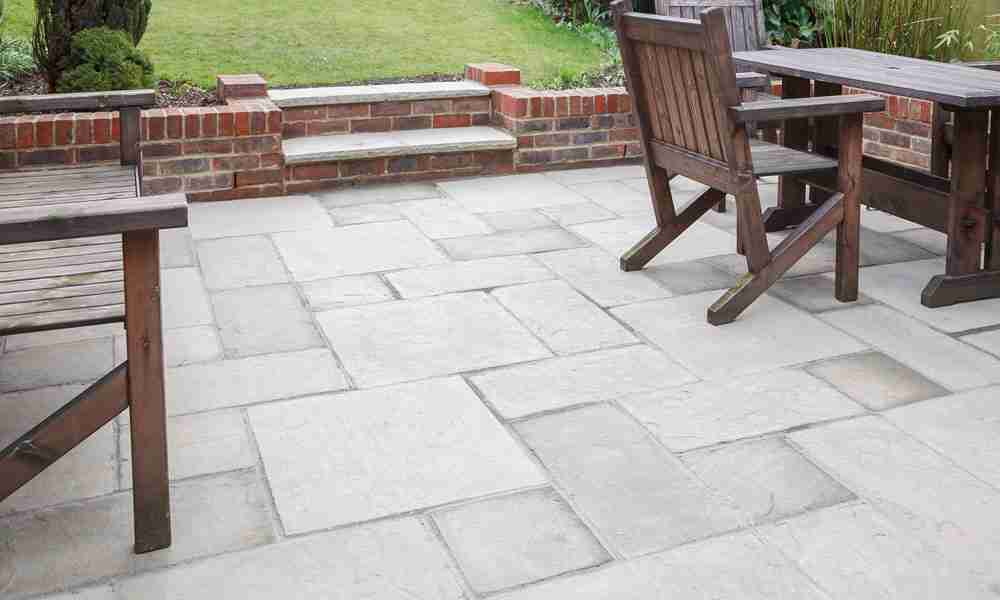
Sinking often appears as low spots, pooling water, or sections that feel soft underfoot. While small areas can sometimes be reset, widespread sinking typically points to base prep issues.
What Causes Patio Heaving in Maine
Heaving occurs when frozen ground pushes parts of a patio upward. This is especially common in Maine due to frost depth and moisture levels.
Common causes of heaving include:
- Trapped water beneath the patio
- Insufficient drainage
- Shallow excavation
- Inconsistent base materials
Heaving often creates raised edges, uneven surfaces, and trip hazards. In many cases, heaving and sinking occur together, resulting in a patio that feels unstable across multiple areas.
Why Base Prep Is the Biggest Factor
Excavation Depth and Compaction Matter More Than Materials
Base preparation is the most important factor in preventing patio movement. A properly prepared base:
- Distributes weight evenly
- Allows water to drain away
- Minimizes frost-related movement
- Maintains consistent elevation
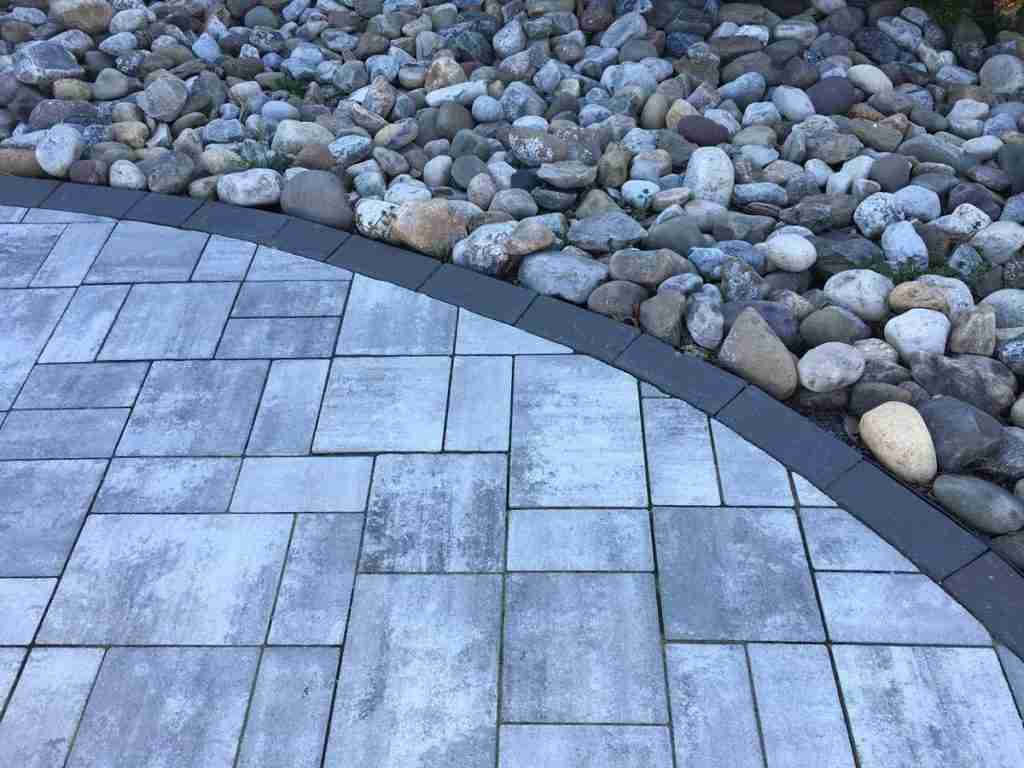
Patios installed with shallow excavation or poor compaction are far more likely to move within a few seasons. Even high-quality materials cannot compensate for inadequate base prep.
The Role of Drainage in Preventing Movement
Drainage and base prep work together. Without proper drainage, water collects beneath patios and intensifies freeze–thaw effects.
Soil Conditions and Patio Performance in Maine
Soil type plays a major role in patio movement. In Maine, many properties have:
- Clay-heavy soils that retain moisture
- Compacted fill from past construction
- Rocky subgrades that limit consistent excavation
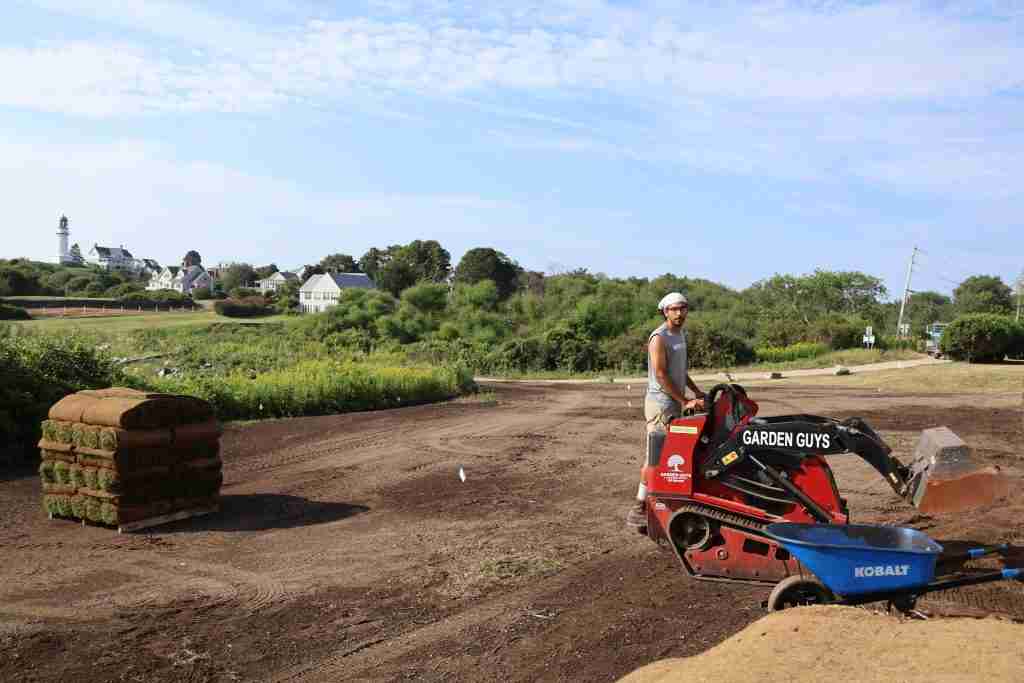
These conditions make proper excavation, separation fabric, and base material selection especially important. Ignoring soil behavior significantly increases the risk of uneven settling and heaving.
Can a Sinking or Heaving Patio Be Fixed?
In some cases, yes.
Minor movement may be addressed by:
- Removing and resetting affected sections
- Improving drainage around the patio
- Recompacting the base where possible
However, widespread movement usually indicates deeper installation problems. In those cases, long-term fixes often involve rebuilding sections of the patio with corrected base prep and drainage.
How Proper Installation Prevents Patio Movement
Patios that hold up well in Maine typically share a few key characteristics:
- Adequate excavation depth for local conditions
- Separation between native soil and base materials
- Thorough compaction in layers
- Drainage planning from the start
- Integration with surrounding grades and slopes
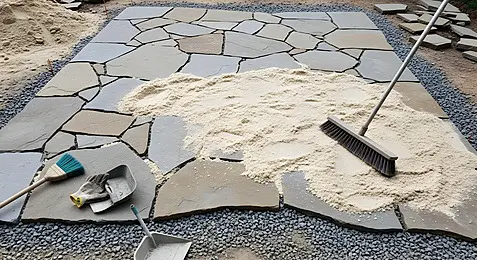
When these steps are followed, patios are far better equipped to handle freeze–thaw cycles without shifting unpredictably.
Frequently Asked Questions About Sinking and Heaving Patios
Is patio movement normal in Maine?
Some minor seasonal movement can occur, but significant sinking or heaving usually indicates installation or drainage problems.
Can drainage alone fix a sinking patio?
Drainage improvements can help prevent further movement, but existing base issues often need to be corrected for a lasting fix.
Does material choice prevent sinking or heaving?
No. Material choice matters far less than base prep and drainage when it comes to long-term stability.
Planning a Patio That Won’t Sink or Heave
If you’re planning a patio installation in Maine, preventing movement starts with asking the right questions:
- How deep will excavation be?
- How will drainage be handled?
- What base materials will be used?
- How will surrounding slopes affect water flow?
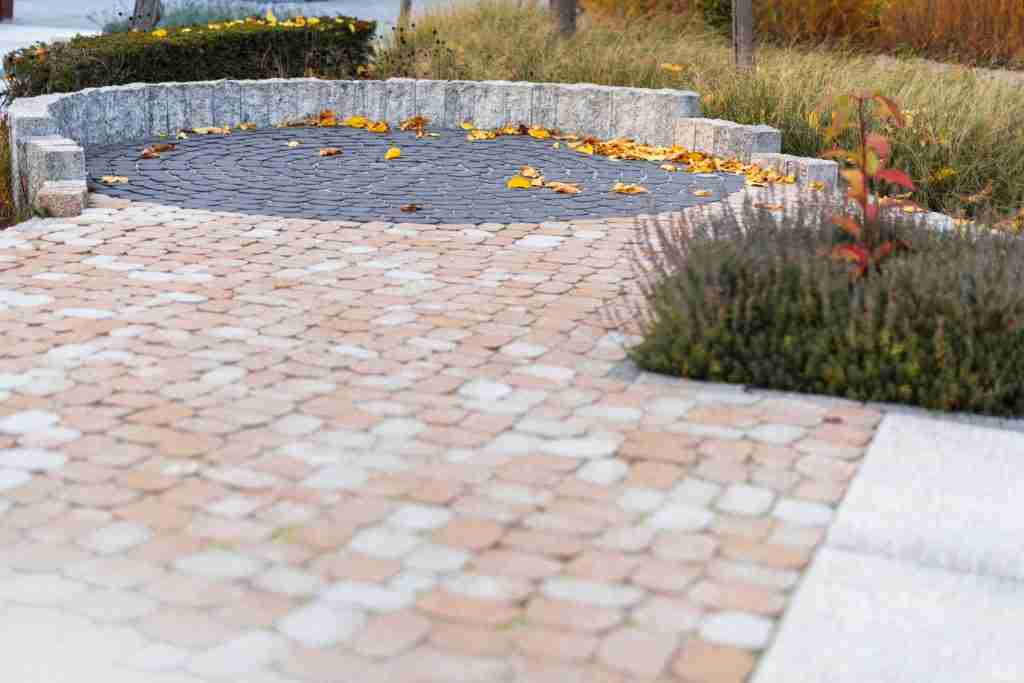
Patios built with long-term performance in mind rarely experience major movement issues.
When to Talk to a Professional
If your patio is already sinking or heaving, or if you’re planning a patio on a sloped or wet property, professional evaluation can help identify the underlying cause.
Patio movement is almost always a symptom of base prep or drainage problems. Addressing those issues early is the key to avoiding repeated repairs and ensuring long-term stability.