


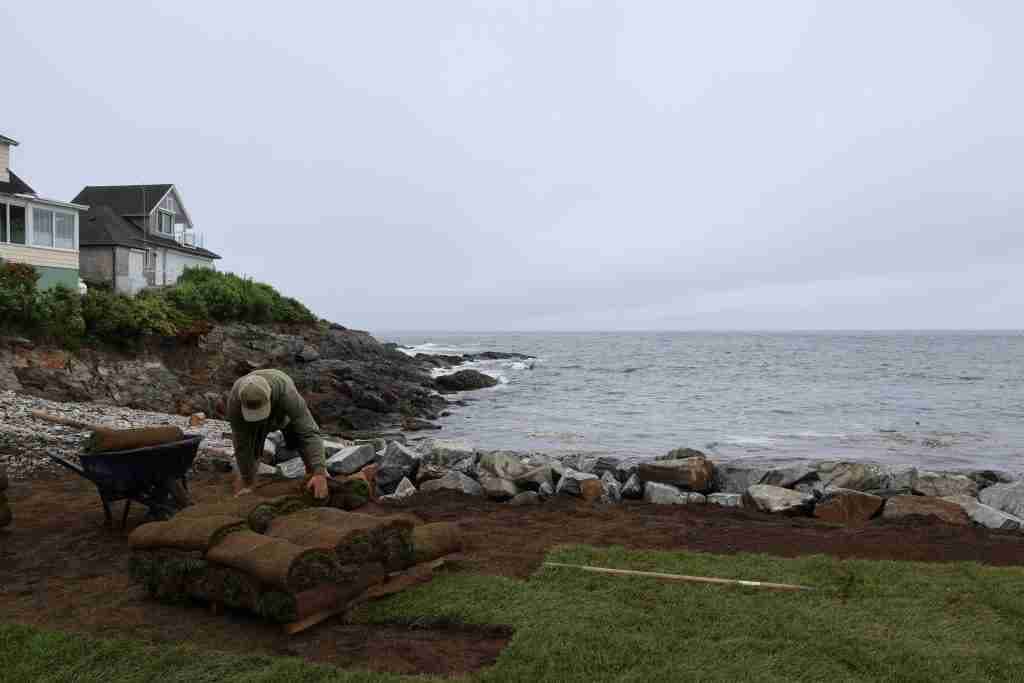
Coastal landscape design in Southern Maine is very different than working inland. In Southern Maine, coastal and exposed properties face wind, salt, shallow soils, and harsh winter conditions that can quickly undo poorly planned installations.
A successful coastal landscape starts with understanding these challenges and designing around them from the beginning rather than trying to fix problems after installation.
Why Coastal Properties Require a Different Design Approach
Coastal and exposed sites are shaped by constant environmental stress.
Common challenges include:
- Strong, persistent winds
- Salt spray from the ocean and roadways
- Sandy or shallow soils
- Rapid drainage and dry conditions
- Increased winter exposure and ice damage
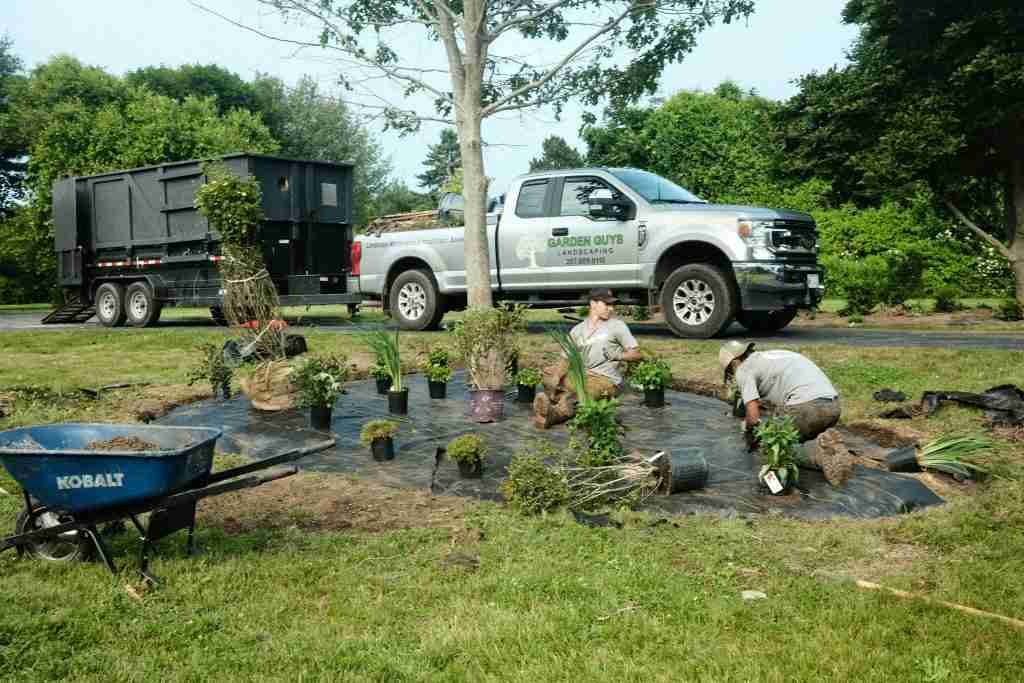
Designing without accounting for these factors often leads to plant failure and higher maintenance.
Understanding Wind Exposure and Microclimates
Wind is one of the most influential factors on coastal properties.
Design planning considers:
- Prevailing wind direction
- Natural wind breaks or lack of shelter
- Heat loss from constant airflow
- Desiccation during winter months
Even small changes in elevation or structure placement can significantly affect plant performance.
Managing Salt Exposure in Southern Maine Landscapes
Salt exposure affects both plants and hardscape materials.
Design strategies often include:
- Selecting salt tolerant plant species
- Increasing setbacks from roadways and driveways
- Using materials that resist salt damage
- Managing runoff to prevent salt accumulation
Salt damage is cumulative, making early planning critical.
Soil Conditions and Drainage Challenges
Many coastal properties have sandy or shallow soils over ledge.
Design must address:
- Low nutrient retention
- Rapid drainage
- Soil erosion during storms
- Limited rooting depth
Soil preparation and plant selection work together to create stable growing conditions.
Plant Selection for Coastal and Exposed Sites
Plant selection is one of the most important design decisions for coastal landscape design in Southern Maine.
Coastal appropriate plant choices typically:
- Tolerate wind and salt
- Thrive in well drained soils
- Withstand winter exposure
- Require minimal irrigation once established
Design prioritizes resilience over appearance alone. Native and salt tolerant plants are a great avenue to try as they are best suited for Maine's coastal conditions.

Hardscape Considerations in Coastal Landscapes
Hardscape elements must withstand both climate and use.
Design considerations include:
- Materials suited for freeze thaw cycles
- Proper base preparation for sandy soils
- Drainage planning around hardscape features
- Layouts that limit wind tunneling
Poor hardscape planning can lead to shifting, cracking, or premature failure.
Balancing Aesthetics and Maintenance
Coastal landscapes benefit from a low maintenance mindset.
Design decisions often focus on:
- Reducing irrigation needs
- Limiting high maintenance plantings
- Choosing durable materials
- Allowing landscapes to mature naturally
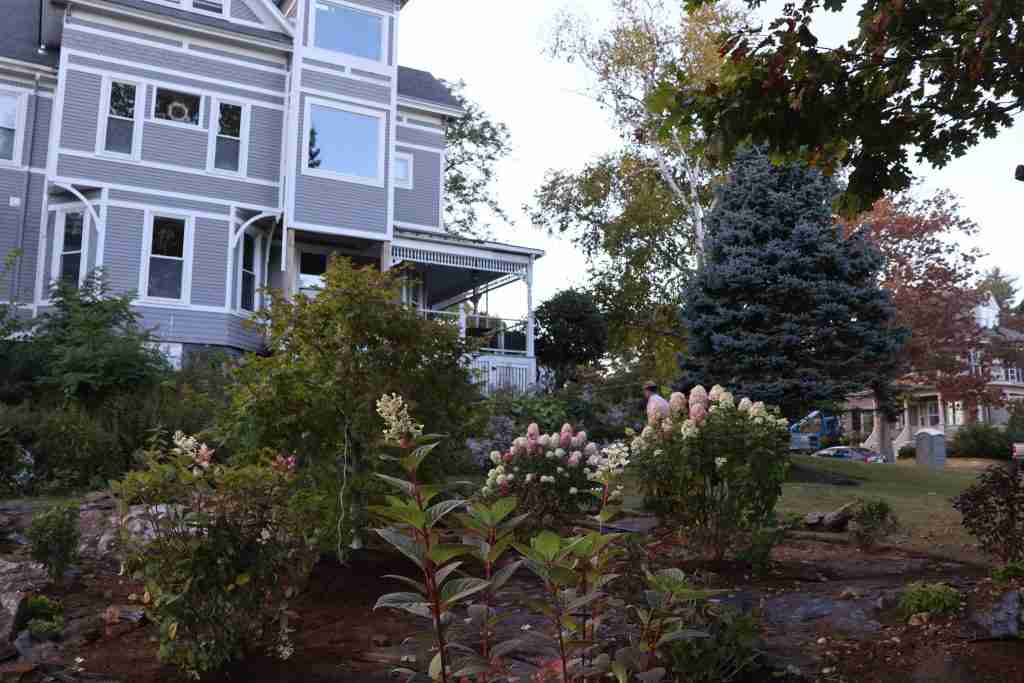
Lower maintenance designs perform better in exposed environments.
Designing for Year Round Performance
Coastal landscapes should function beyond the summer season.
Design planning considers:
- Winter appearance and structure
- Snow storage and access
- Visibility during low light months
- Year round durability
A landscape should look intentional even in winter.
Common Coastal Landscape Mistakes
Frequent issues include:
- Installing non salt tolerant plants
- Ignoring wind exposure
- Underestimating soil preparation needs
- Choosing materials based only on appearance
These mistakes increase replacement and maintenance costs.
When Coastal Design Is Especially Important
Professional coastal design is strongly recommended when:
- Properties are directly exposed to ocean winds
- Salt spray is frequent
- Soil depth is limited
- Long term durability is a priority
Design helps prevent repeated failures.
When to Talk to a Professional
If a property experiences constant wind, salt exposure, or poor plant performance, professional landscape design can significantly improve outcomes.
In Southern Maine, thoughtful landscape design for coastal and exposed properties leads to more durable landscapes, lower maintenance, and better long term performance.