


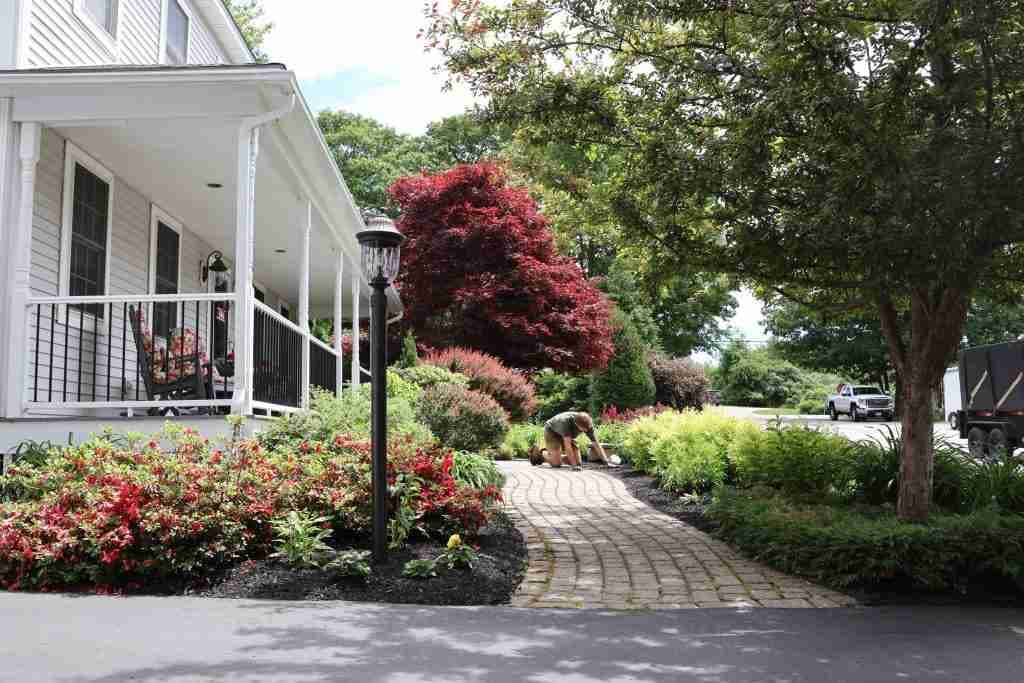
One of the most common mistakes homeowners make in Southern Maine is waiting too long to start planning landscape projects. By the time spring weather arrives, many contractors are already booked, materials are committed, and timelines become tight.
Starting the planning process earlier leads to better design decisions, more scheduling flexibility, and smoother project execution.
Why Planning Timing Matters in Southern Maine
With a short and busy construction season, you want to start planning landscape projects in Southern Maine as early as possible.
Factors that affect timing include:
- Frozen or saturated ground in early spring
- Limited installation windows
- Material availability
- Contractor scheduling constraints
- Weather delays
Planning ahead helps avoid rushed decisions and limited options.
The Difference Between Planning and Installation
Planning does not mean work begins immediately.
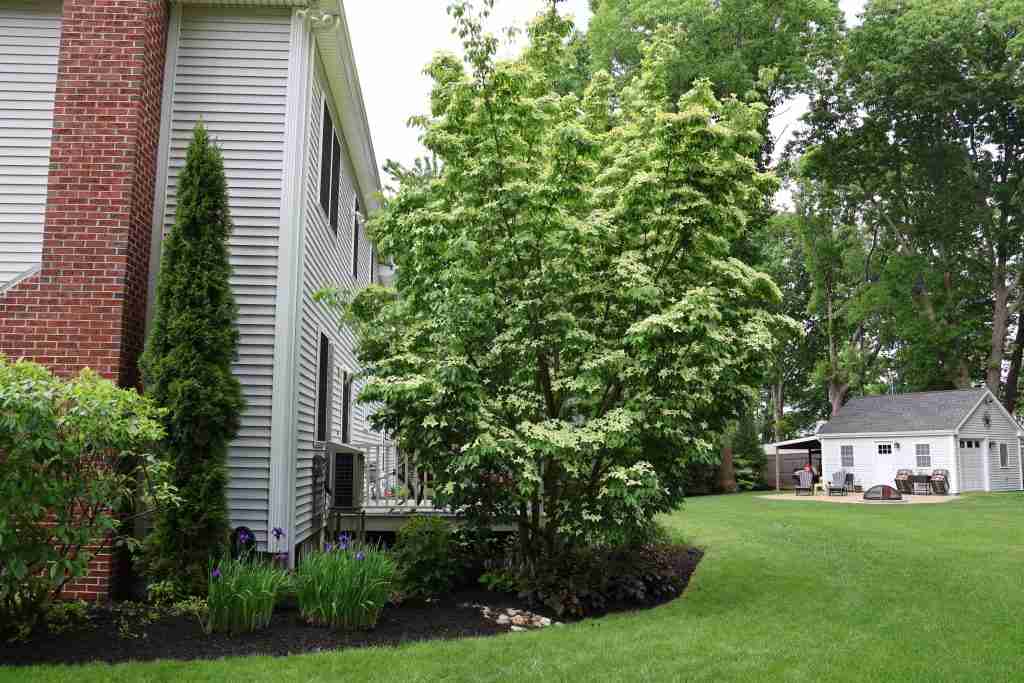
Planning includes:
- Evaluating the property
- Defining goals and priorities
- Developing a design or scope
- Budgeting realistically
- Scheduling work appropriately
Installation happens later, often weeks or months after planning begins.
When Homeowners Usually Start Too Late
Many homeowners wait until:
- Spring weather arrives
- Plants begin growing
- Neighbors start outdoor projects
At that point, schedules are often full and timelines become less flexible.
Late planning can lead to:
- Delayed start dates
- Reduced material choices
- Higher stress
- Compromised scope
The Best Time to Start Planning Landscape Projects
For most Southern Maine projects, planning should begin well before installation season.
General guidelines:
- Winter planning for spring and summer projects
- Late summer planning for fall projects
- Early fall planning for the following year
Planning early does not lock you into immediate construction.
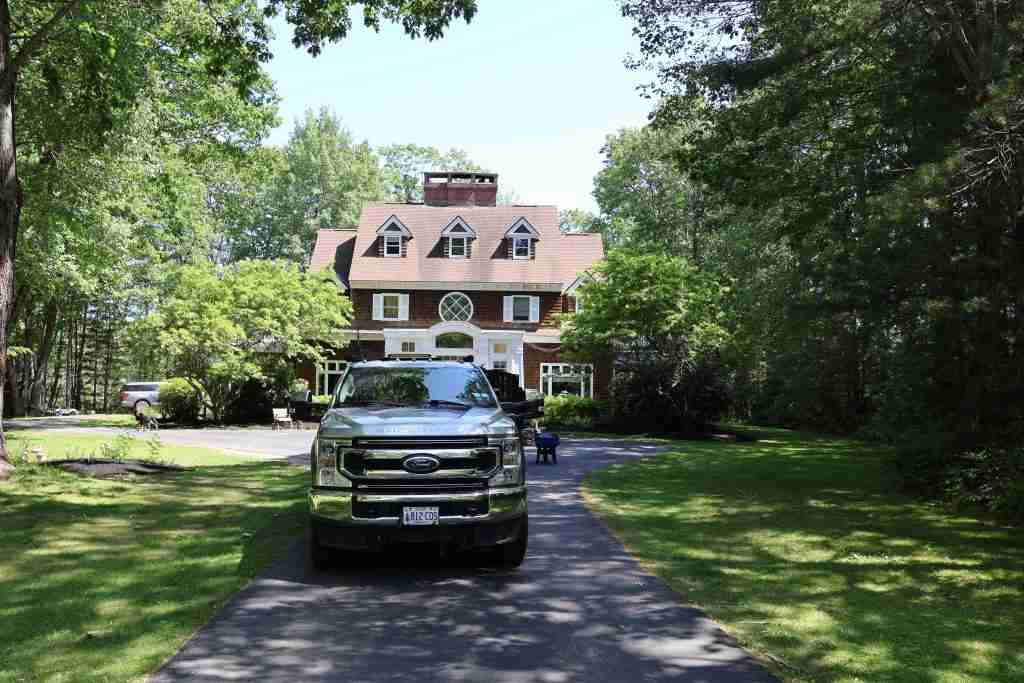
Benefits of Early Planning
Early planning offers clear advantages.
These include:
- More time for thoughtful design
- Better budget alignment
- Improved scheduling options
- Ability to phase work if needed
- Fewer last minute changes
Projects that are planned early tend to run more smoothly.
How Design Fits Into the Planning Timeline
Design planning may involve:
- Site analysis
- Concept development
- Revisions and refinements
- Material and plant selection
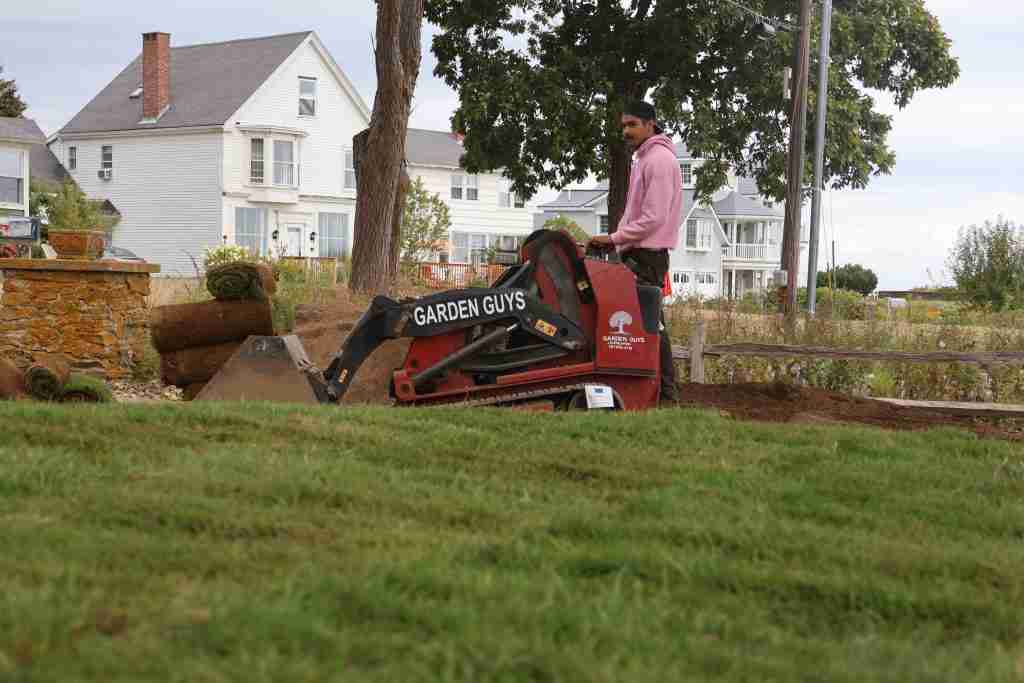
Rushed design often leads to costly changes later.
Material Availability and Seasonal Demand
Certain materials are subject to seasonal demand.
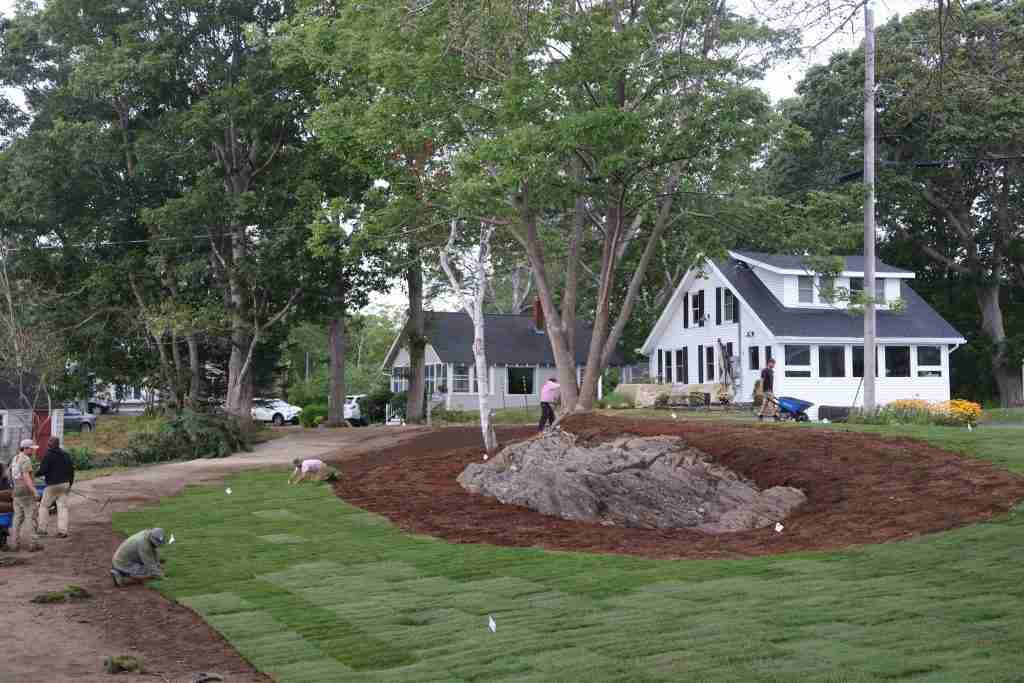
Planning early helps:
- Secure preferred materials
- Avoid substitutions
- Coordinate deliveries
- Reduce delays caused by shortages
Material availability can directly affect project timing.
Planning for Phased Installation
Early planning makes phased installation possible.
Phasing allows:
- Spreading projects over multiple seasons
- Prioritizing essential elements
- Adjusting plans as needs evolve
Phasing works best when planned from the beginning.
Common Planning Mistakes We See
Frequent issues include:
- Waiting for perfect weather to start planning
- Underestimating design time
- Assuming installation can begin immediately
- Not considering seasonal constraints
These mistakes create unnecessary pressure.
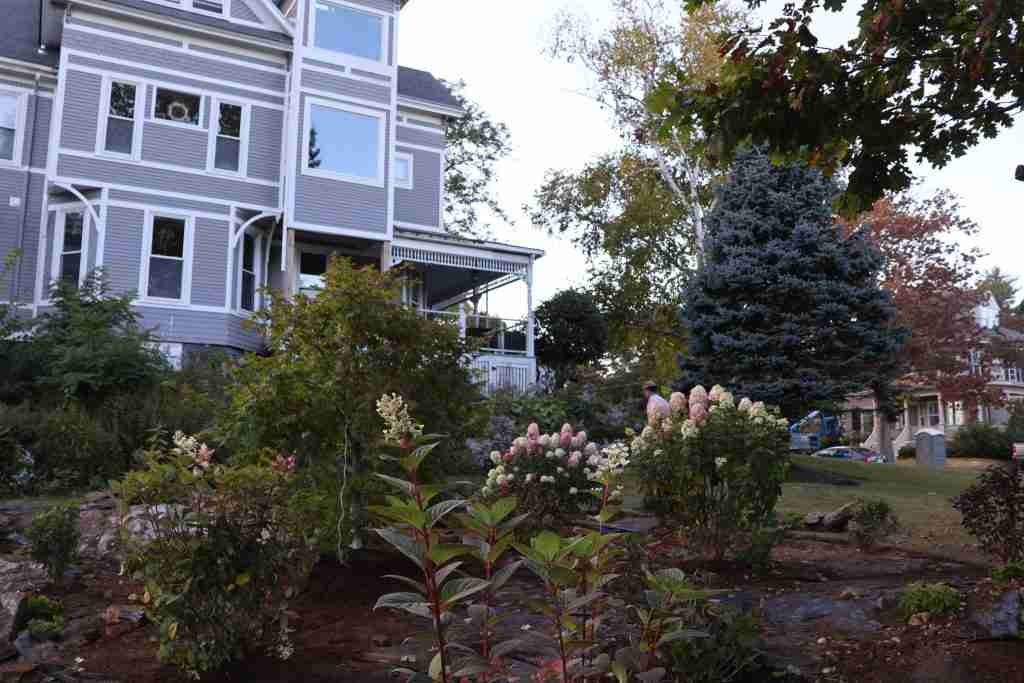
How Far in Advance to Reach Out
As a general rule:
- Reach out several months before desired installation
- Start conversations earlier for larger or complex projects
- Begin planning during the off season
Earlier contact leads to better outcomes.

When to Talk to a Professional
If a project involves hardscaping, drainage, grading, or significant planting, professional input early in the process helps avoid delays and redesigns.
In Southern Maine, starting the planning process early gives homeowners more control over schedule, cost, and results.