


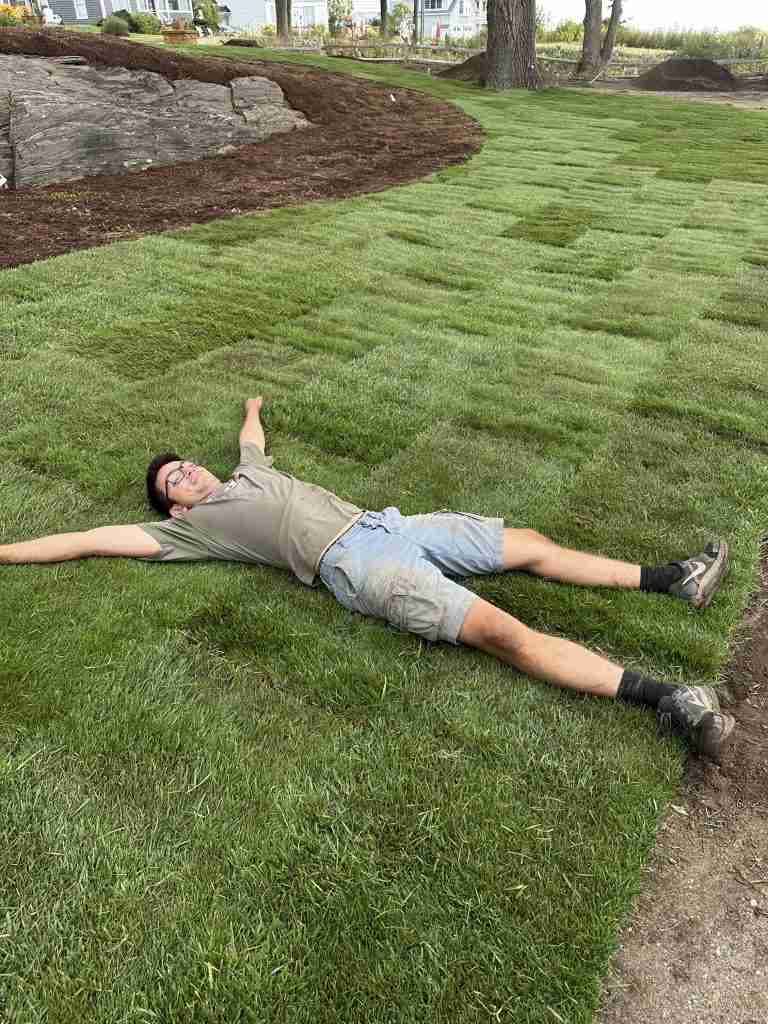
Summer has arrived in Southern Maine, bringing longer days, warmer temperatures, and full landscape growth. This is the heart of the maintenance season, but it is also when lawns and plants experience the most stress.
Here’s what to expect as summer landscape and lawn care gets underway.
Growth Speeds Up, But So Do Stress Factors
Early summer often looks great. Grass is growing quickly, plants are full, and everything appears healthy. As temperatures rise, conditions can change fast.
Common summer stress factors include:
- Heat and humidity
- Inconsistent rainfall
- Compact or dry soil
- Increased weed pressure
Healthy landscapes require balance during this period, not aggressive intervention.
Lawns May Slow Down in Heat
It’s normal for lawns to change behavior in summer.
You may notice:
- Slower growth during hot, dry stretches
- Color variation across the lawn
- Grass going dormant in drought conditions
Dormancy is a protective response, not failure. Pushing lawns too hard in summer can cause long-term damage.
Mowing Practices Matter More Now
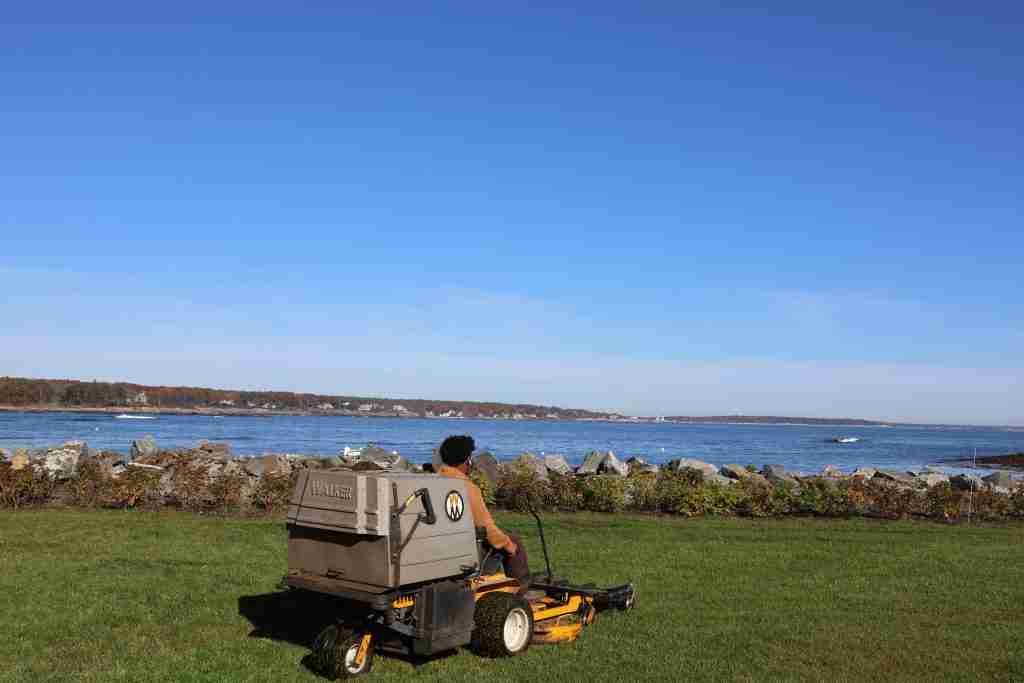
Summer mowing is about protecting the turf.
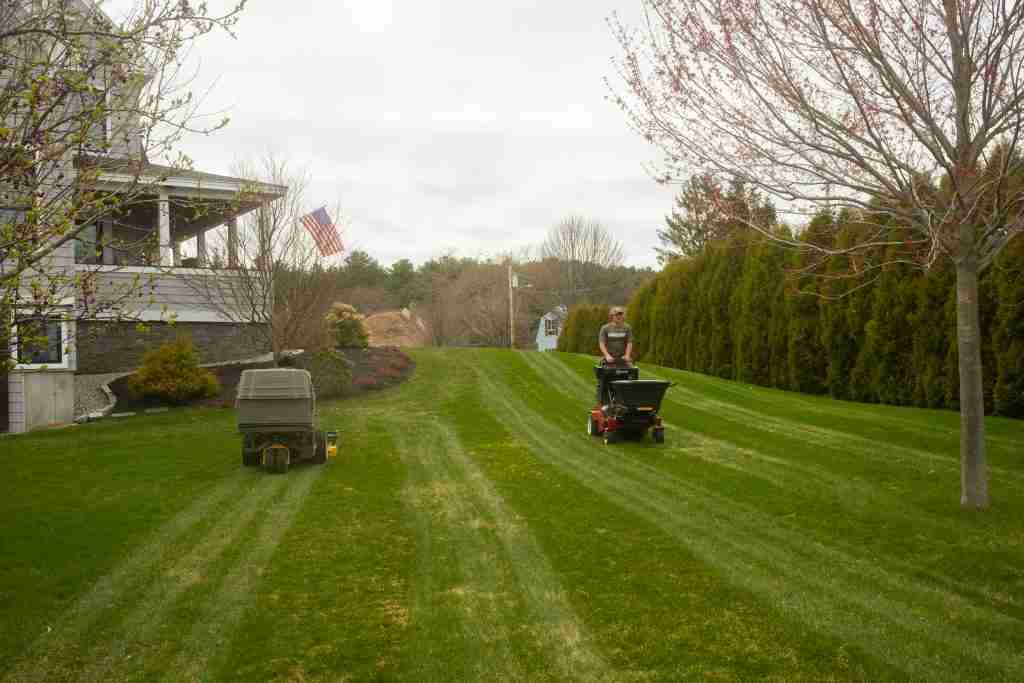
Key summer mowing considerations:
- Avoid cutting too short
- Maintain consistent mowing schedules
- Skip mowing during extreme heat when possible
Proper mowing height helps shade soil, retain moisture, and reduce stress.
Watering Has Limits
Water helps, but more is not always better.
Overwatering can:
- Promote shallow roots
- Increase disease pressure
- Waste water without improving turf health
Deep, infrequent watering is more effective than frequent shallow watering.
Plant Maintenance Is Selective
Not all plants need the same attention in summer.
During this season:
- Some pruning is paused to avoid stress
- Deadheading and light shaping may continue
- New plantings are monitored closely
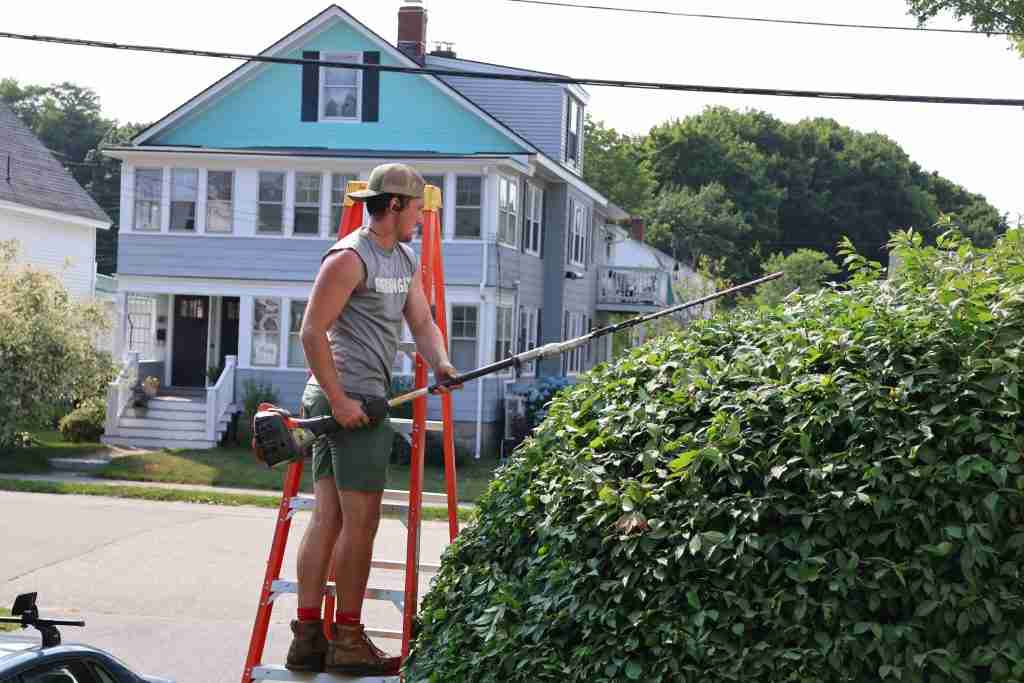
Major pruning and heavy cutbacks are typically avoided until cooler conditions return.
Weeds and Pests Are More Visible
Summer makes landscape issues easier to spot.
This includes:
- Fast-spreading weeds
- Insect activity
- Areas of poor drainage or compaction
Identifying issues now helps plan improvements for fall, which is often the best time to address them.
Scheduling Adjustments Are Normal
Summer weather can affect schedules.
Heat waves, heavy rain, and storms may:
- Shift service timing
- Change priorities temporarily
- Require flexibility week to week
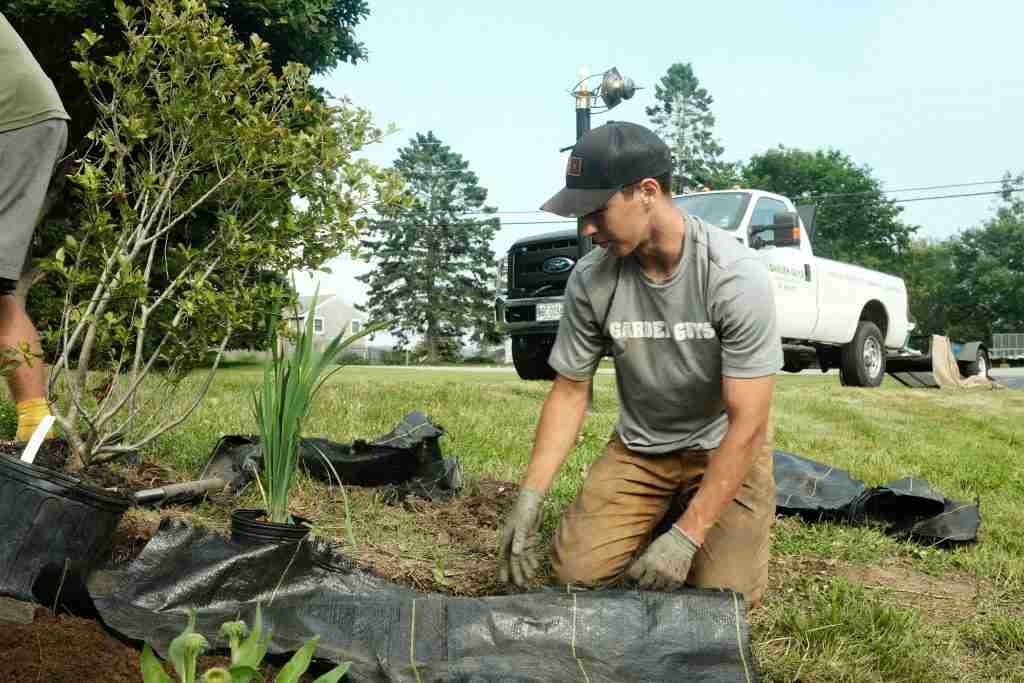
These adjustments help protect landscapes and crews alike.
Looking Ahead to Late Summer and Fall
As summer progresses, focus begins to shift toward:
- Lawn renovation planning
- Aeration and overseeding timing
- Fall landscape improvements
Late summer is when preparation for fall work begins.
Questions About Summer Care?
If you have questions about lawn appearance, watering, or what you’re seeing on your property this summer, reach out. Summer landscapes behave differently than spring or fall, and expectations should adjust with the season.