


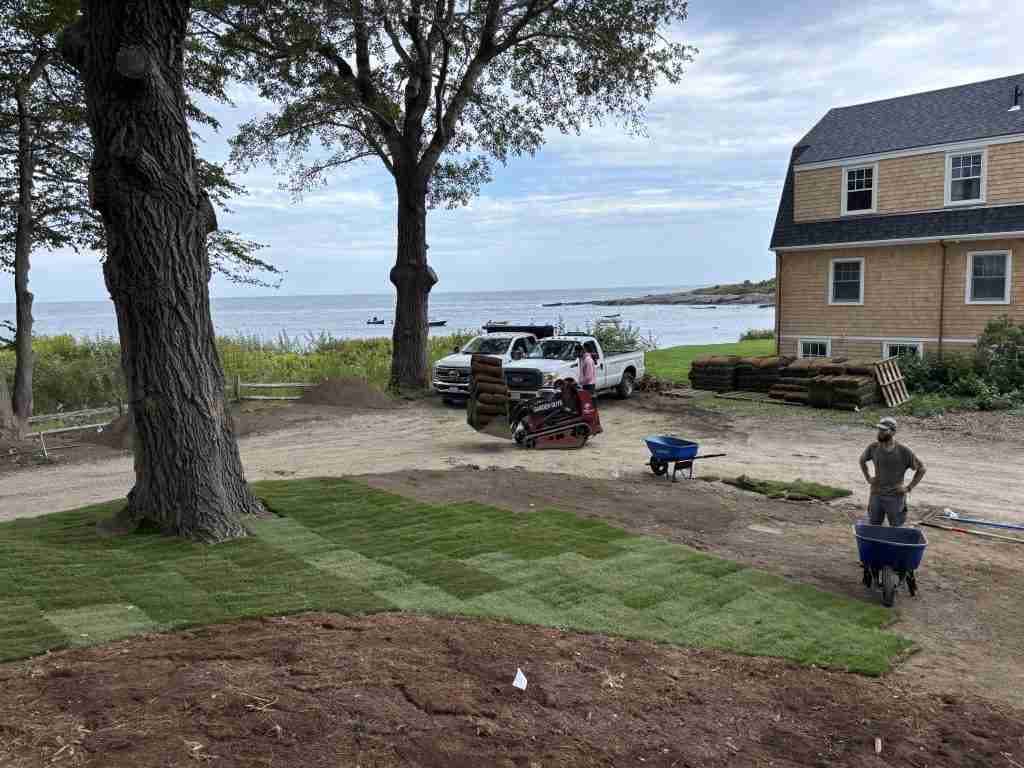
Not every landscape project needs to be completed in a single season. In Southern Maine, phased landscape installation is often the smartest approach for managing budgets, working around site constraints, and building a landscape that performs well over time.
A phased approach allows homeowners to follow a clear plan while spreading investment across multiple seasons without compromising the final result.
What Phased Landscape Installation Means
Phased landscape installation in Southern Maine involves completing a project in planned stages rather than all at once.
Each phase is designed to:
- Fit within a larger master plan
- Function properly on its own
- Support future phases without rework
Phasing works best when guided by a well thought out design from the beginning.
Why Phasing Makes Sense in Southern Maine
Southern Maine landscapes often benefit from a phased approach due to local conditions.
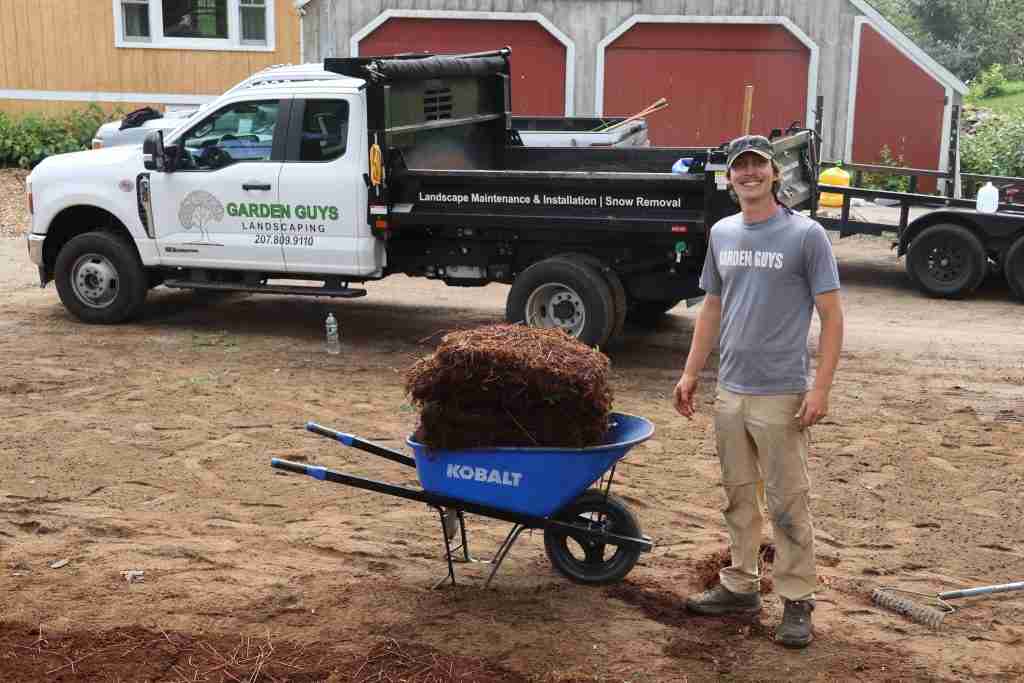
Common reasons homeowners choose phasing include:
- Managing project costs realistically
- Addressing drainage or grading challenges first
- Working within short construction seasons
- Coordinating hardscape and planting work
- Allowing time to understand how spaces are actually used
Phasing allows projects to adapt to real conditions rather than assumptions.
What Should Be Installed First
The sequence of work matters.
In most cases, early phases should focus on:
- Drainage and grading corrections
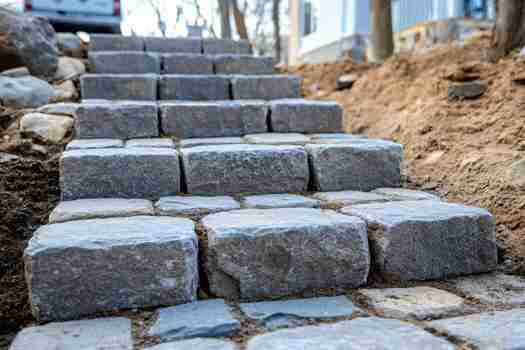
- Structural hardscape elements such as retaining walls, steps, and patios
- Access paths and circulation routes

These elements form the foundation for everything that follows.
When Planting Should Be Phased
Planting is often best installed after structural work is complete.
Reasons to phase planting include:
- Allowing soils and drainage systems to settle
- Spreading planting costs over time
- Adjusting plant choices based on site performance
- Coordinating planting with appropriate seasons
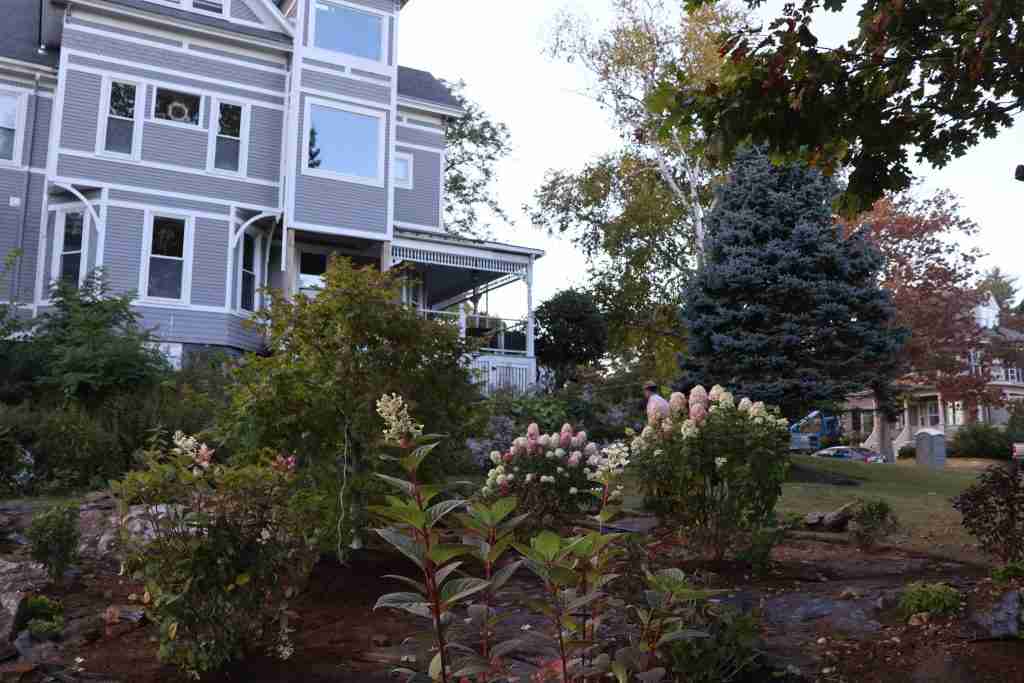
Phased planting improves long term plant health and success.
How Design Supports Phased Installation
Design is what keeps phased projects efficient.
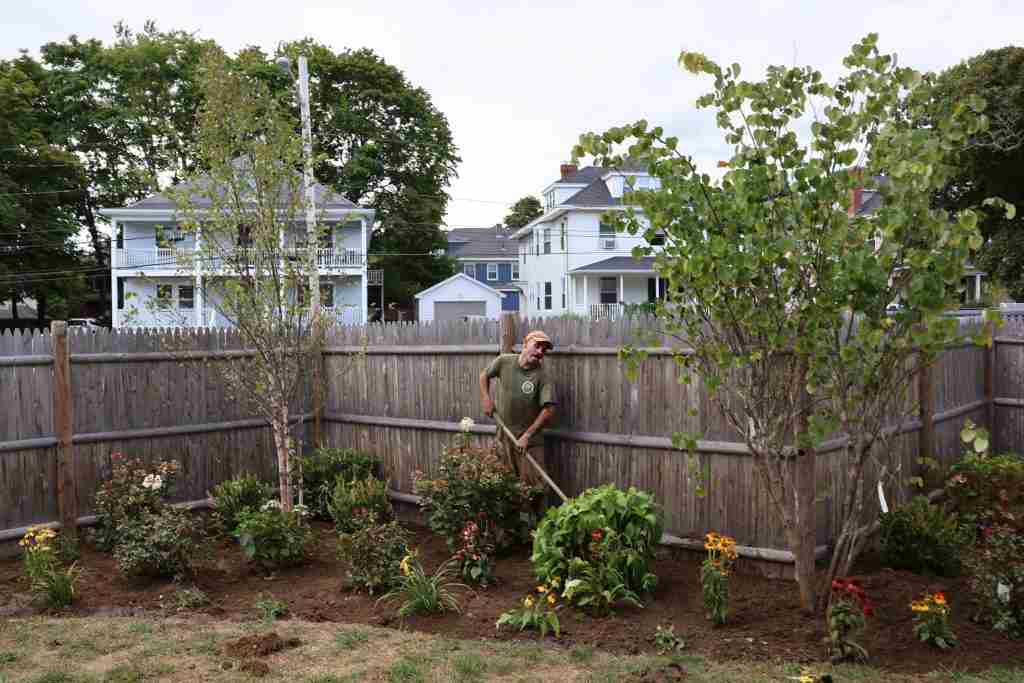
A clear design:
- Establishes the final vision early
- Defines each phase clearly
- Prevents conflicts between phases
- Eliminates the need to undo completed work
Without design, phased projects often become inefficient and disjointed.
Budget Benefits of a Phased Approach
Phasing offers important financial advantages.
Benefits include:
- Breaking large projects into manageable investments
- Prioritizing essential improvements first
- Avoiding rushed decisions due to budget pressure
- Allowing flexibility as needs or preferences change
Phased projects often feel more manageable and intentional.
Common Phasing Mistakes to Avoid
Phasing only works when planned correctly.
Common mistakes include:
- Installing plantings before drainage or grading is resolved
- Building features without considering future phases
- Choosing materials that limit expansion
- Skipping design and relying on informal plans
These mistakes can increase total project cost.
Phased Installation and Long Term Maintenance
Phasing also affects how a landscape is maintained.
Design planning considers:
- How maintenance needs evolve as phases are added
- Plant growth and spacing over time
- Access for future work
- Seasonal care requirements
Thoughtful phasing supports easier maintenance long term.
Example of a Phased Landscape Installation
A typical phased project may include:
- Phase one focused on drainage, grading, and access
- Phase two installing major hardscape features
- Phase three adding primary plantings and lawn areas
- Phase four refining details and additional plantings
Each phase builds toward a complete landscape without rework.
When Phased Installation May Not Be the Right Choice
Phasing is not ideal for every project.
It may be less effective when:
- The scope is small and easily completed at once
- Site access is limited and disruptive
- Timing requires immediate completion
Each project should be evaluated individually.
When to Talk to a Professional
If a landscape project feels overwhelming or budget constraints are a concern, phased installation may be the right solution.
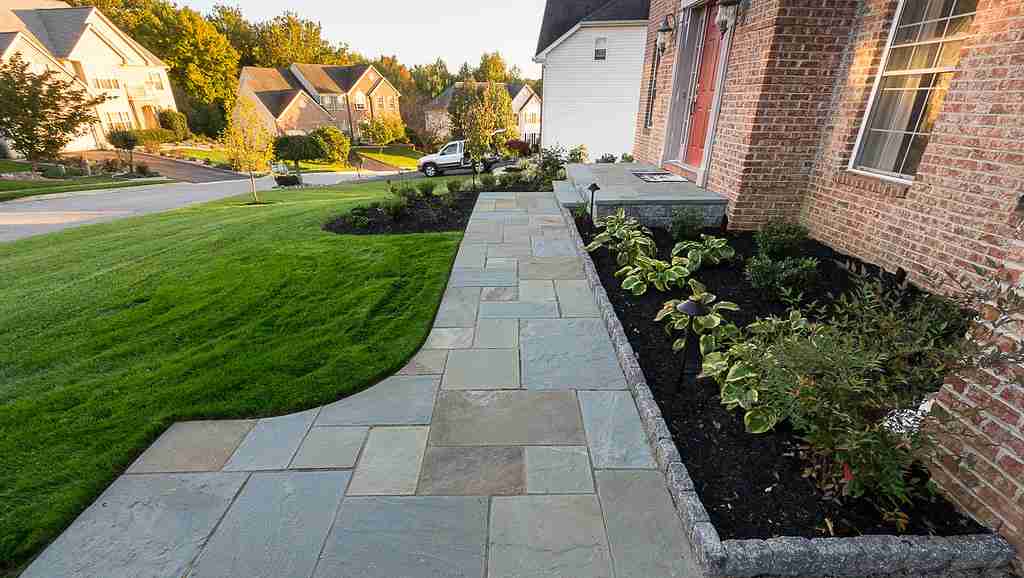
In Southern Maine, phased landscape installation allows homeowners to build durable, functional landscapes over time while staying aligned with a clear plan and long term goals.