


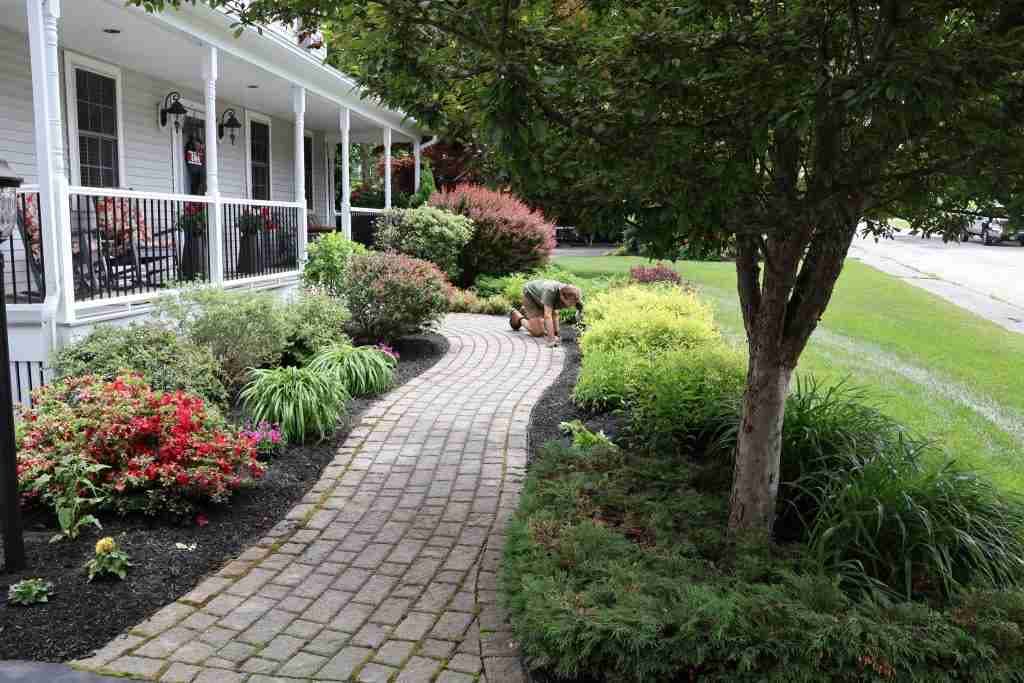
The true cost of a landscape is not just what it takes to install it. In Southern Maine, long-term maintenance costs are often determined by design decisions made before installation ever begins. Layout, plant selection, access, and material choices all influence how much time, labor, and expense a landscape will require year after year.
Understanding how design affects maintenance costs helps homeowners plan smarter projects and avoid landscapes that become expensive to maintain over time.
Why Maintenance Costs Are Set During Design
Many maintenance challenges are built into a landscape from the start.
Design decisions influence:
- How often areas need to be serviced
- How long routine maintenance takes
- How frequently plants need pruning or replacement
- How debris and snow accumulate
- How easily crews can access the landscape
Fixing poor design later is usually far more expensive than planning correctly upfront.
Plant Selection and Long-Term Labor
Plant choice plays a major role in maintenance costs.
Designs that increase labor often include:
- Fast growing shrubs that require frequent pruning
- Plants placed too close together
- Species poorly suited to local conditions
- High water demand plantings
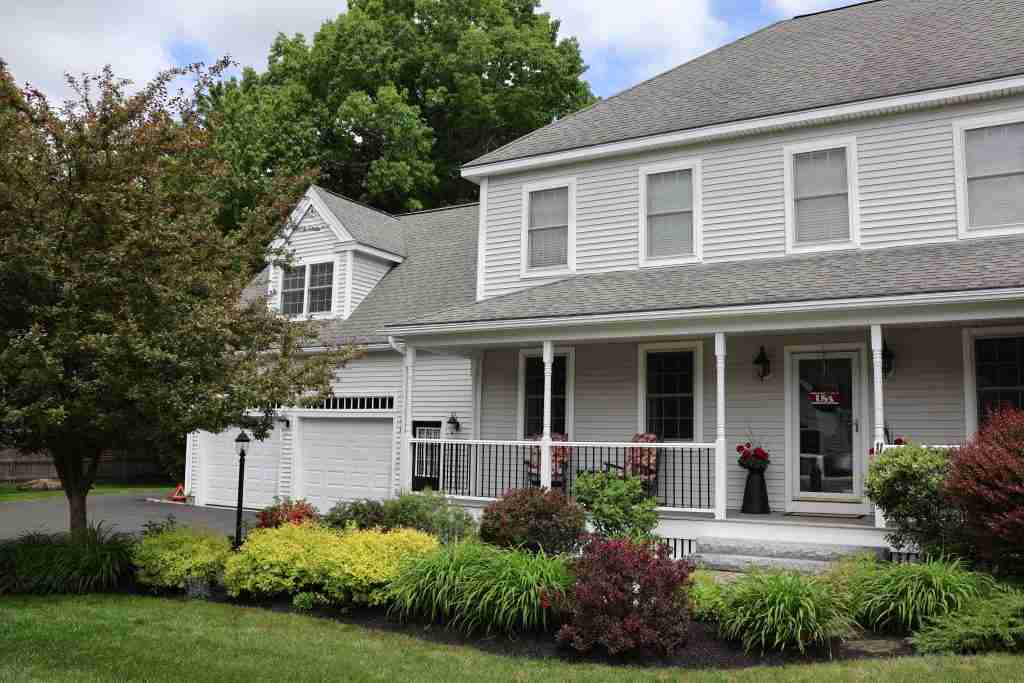
Low maintenance designs prioritize plants that grow predictably and thrive in Southern Maine conditions.
Layout and Spacing Matter More Than People Expect
Even good plants become costly if they are poorly arranged.
Design spacing affects:
- How quickly plants outgrow their space
- How often pruning is required
- Air circulation and disease pressure
- Access for mowing and trimming
Proper spacing reduces ongoing correction and replacement.
Lawn Size and Placement Drive Ongoing Cost
Lawns are one of the most maintenance intensive landscape elements.
Design decisions that increase cost include:
- Large lawn areas with little functional purpose
- Narrow lawn strips that are difficult to mow
- Lawns placed on slopes or wet areas
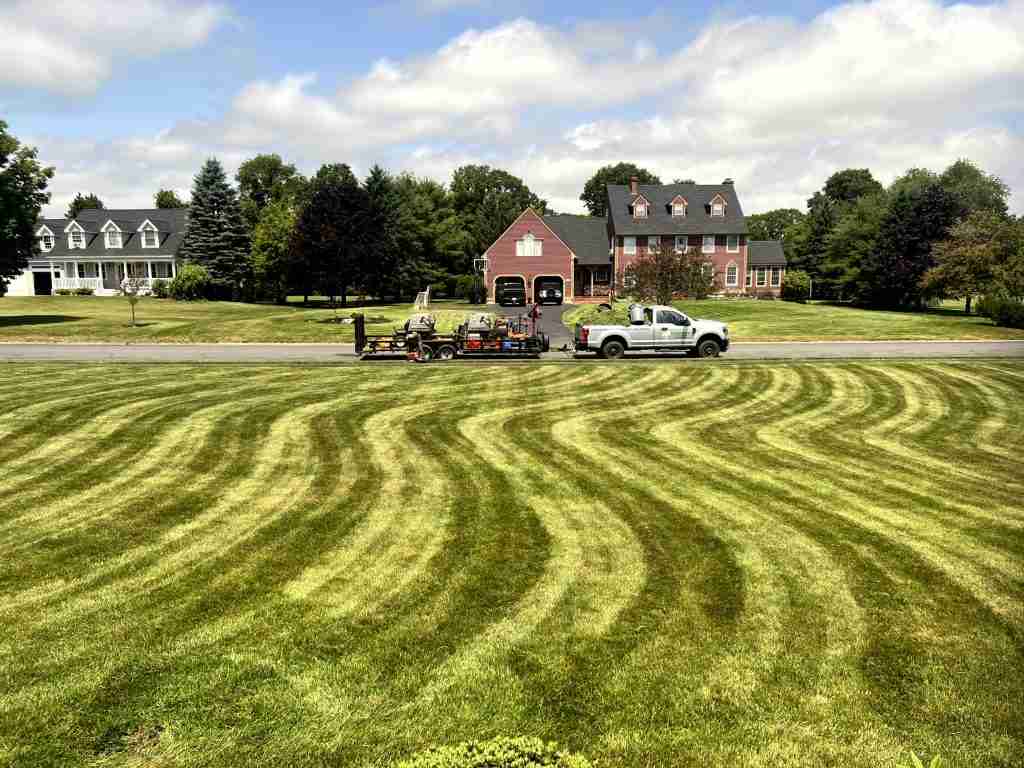
Reducing lawn strategically lowers mowing, fertilization, and irrigation costs.
Hardscape Choices and Maintenance Impact
Hardscape can either reduce or increase maintenance depending on design.
Lower maintenance hardscape design includes:
- Durable materials suited for freeze thaw cycles
- Proper base preparation
- Clean edges that limit encroachment
- Layouts that manage runoff effectively
Poor hardscape planning often leads to repairs and ongoing adjustment.
Drainage and Water Management Costs
Drainage issues significantly increase maintenance expenses.
Design that ignores water movement leads to:
- Erosion
- Plant loss
- Repeated repairs
- Excessive cleanup after storms
Addressing drainage during design reduces long term labor and replacement costs.
Access and Efficiency for Maintenance Crews
Design affects how efficiently maintenance can be performed.
Good design provides:
- Clear access paths
- Adequate space around structures
- Logical service routes
- Safe working conditions
Limited access increases labor time and cost.
Seasonal Maintenance Considerations in Southern Maine
Seasonal demands add complexity.
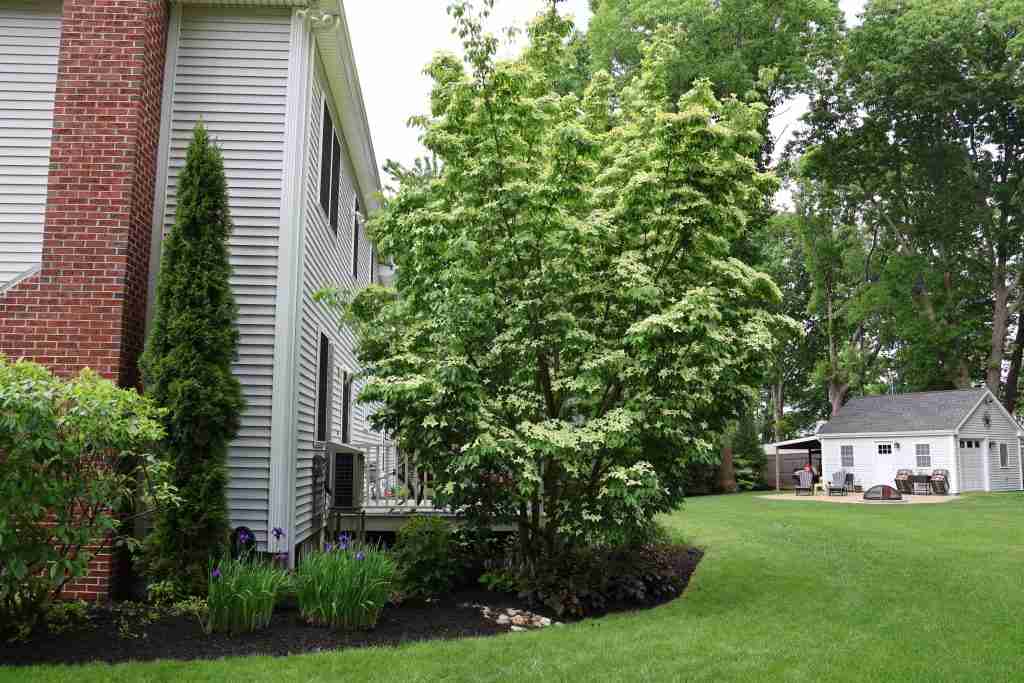
Design planning should account for:
- Snow storage locations
- Fall leaf accumulation
- Spring cleanup access
- Winter exposure and damage
Ignoring seasonal realities increases annual maintenance costs.
Common Design Decisions That Increase Maintenance Costs
Frequent issues include:
- Overly complex planting layouts
- Too many plant varieties with different care needs
- Tight planting against structures
- Decorative elements that collect debris
These choices often look good initially but cost more long term.
How Design Can Reduce Maintenance Costs Over Time
A well planned design can significantly lower annual expenses.
Cost reducing design strategies include:
- Simplified layouts
- Grouping plants by care needs
- Choosing durable materials
- Planning for mature plant size
- Designing with access in mind
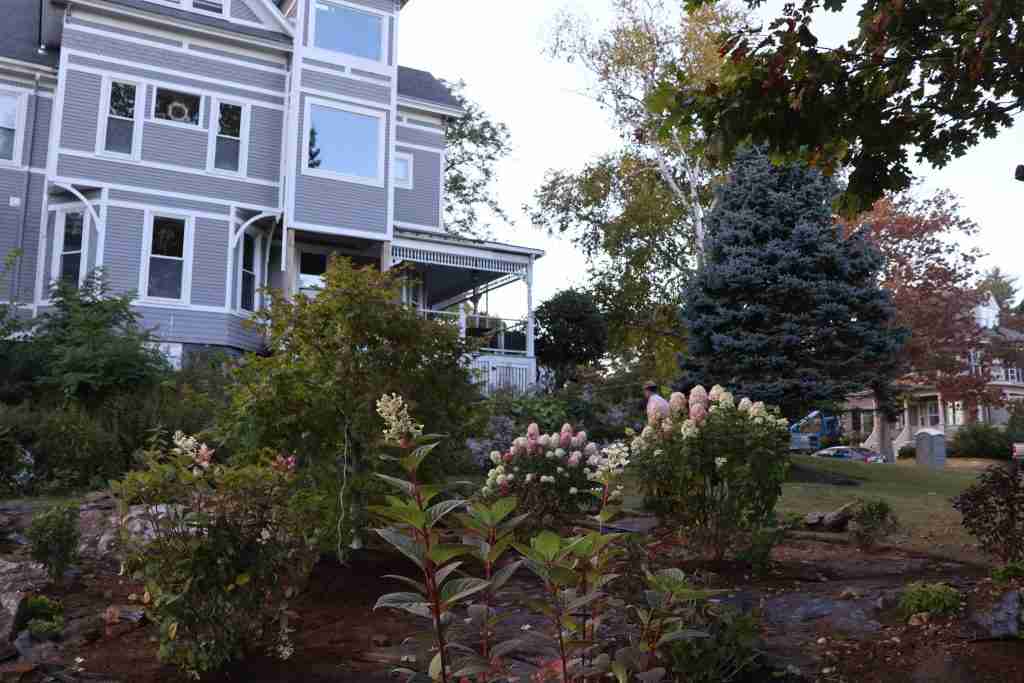
These decisions add value long after installation.
When to Talk to a Professional
If maintenance costs feel higher than expected or landscapes decline despite regular care, design may be the underlying issue.
In Southern Maine, understanding how landscape design affects long-term maintenance costs helps homeowners invest in landscapes that perform well without excessive upkeep.